Easy Foolproof Orange Chicken Recipe Ready in 40 Minutes
This orange chicken recipe turns out better than the carton from your usual takeout spot, and it’s ready in about 40 minutes start to finish. Bite-sized chicken thighs get a light cornstarch crust, a shallow fry until deeply golden, and a toss in a sticky orange glaze that’s part sweet, part tangy, with just enough heat to keep it interesting. No deep fryer, no hard-to-find ingredients, no waiting on delivery.
Why You’ll Love This Orange Chicken
Two things set this version apart from a typical orange chicken recipe. First, the sauce uses fresh orange juice and real zest instead of relying on bottled juice alone, so the citrus flavor tastes bright rather than syrupy. Second, the chicken is shallow-fried in a skillet instead of deep-fried, which means less oil, less mess, and a pan you can actually clean in under five minutes.
What You’ll Need
For the chicken:
- 1½ pounds boneless, skinless chicken thighs, cut into 1-inch cubes
- 1 large egg, beaten
- ½ cup cornstarch, divided
- ½ teaspoon salt
- ¼ teaspoon black pepper
- ⅓ cup neutral oil (vegetable or avocado oil), for pan-frying
For the sauce:
- ⅔ cup fresh orange juice (from about 2 large oranges)
- 1 tablespoon orange zest
- 3 tablespoons soy sauce (use tamari for a gluten-free version)
- 3 tablespoons brown sugar
- 1 tablespoon rice vinegar
- 2 cloves garlic, minced
- 1 teaspoon fresh grated ginger
- ¼ to ½ teaspoon red pepper flakes, to taste
- 1 tablespoon cornstarch mixed with 2 tablespoons cold water (slurry)
For serving:
- Steamed rice
- Sliced scallions and sesame seeds, for garnish (omit sesame seeds for a sesame allergy)
Substitution notes for this orange chicken recipe: Chicken breast works if that’s what’s on hand, though thighs stay juicier through the fry. Bottled orange juice can replace fresh in a pinch, but the sauce will taste flatter and less complex. If you’re avoiding soy, tamari is a near-identical swap that also happens to be gluten-free.
Recipe Timing
Servings: 4 | Difficulty: Easy | Cuisine/Course: American Chinese, Main Dish Prep Time: 20 min | Cook Time: 20 min | Total Time: 40 min
Each wait point here earns its place. The 10-15 minutes the raw chicken sits in the egg and cornstarch coating lets the starch fully hydrate, which is what gives the crust its shatter instead of turning gummy. The few minutes the sauce simmers before the chicken goes back in let the sugars concentrate enough to cling to the meat instead of pooling in the pan.
Read Also: Chicken Pot Pie
Equipment
You don’t need anything specialized for this orange chicken recipe. A wide, heavy-bottomed skillet or wok holds heat evenly and gives the chicken pieces room to fry without steaming each other. You’ll also want a fine grater or zester for the orange, a small bowl for the cornstarch slurry, and a wire rack or paper-towel-lined plate to drain the fried chicken.
Step-by-Step Instructions
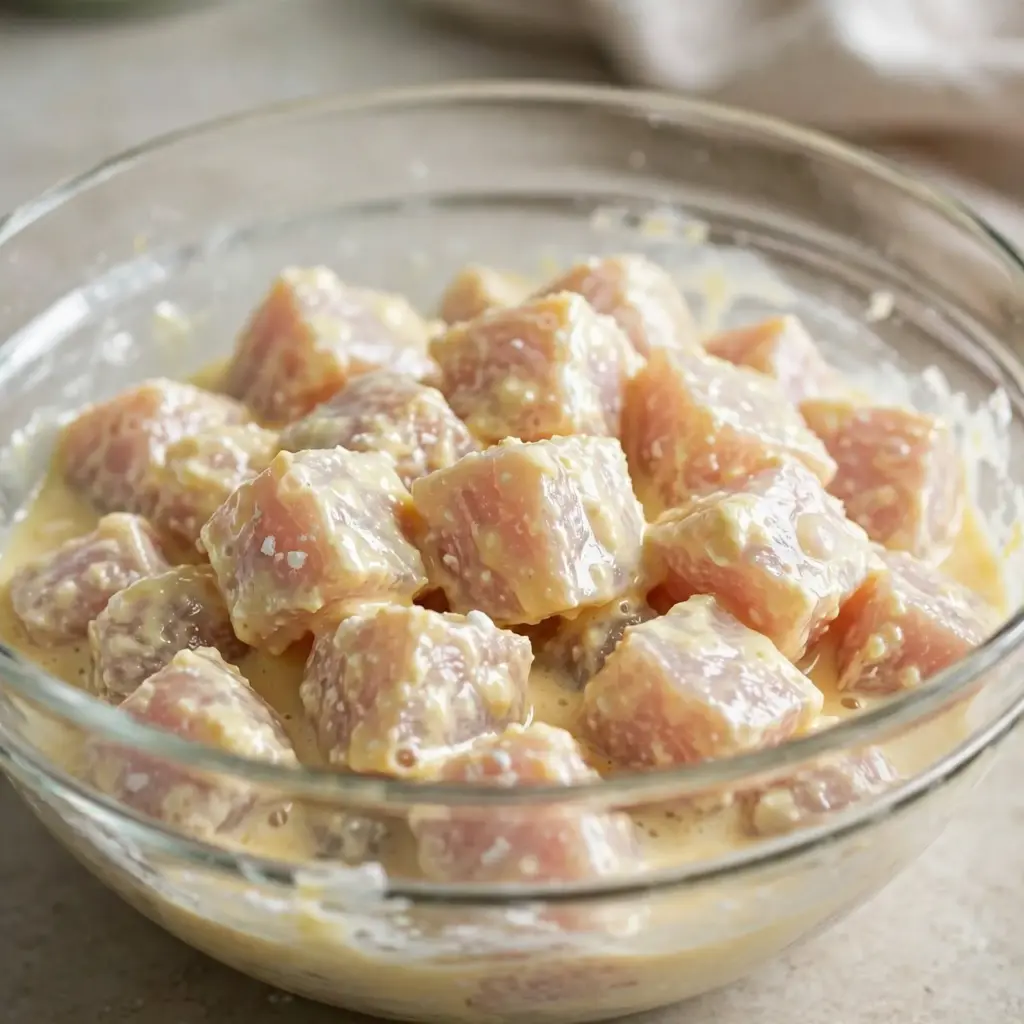
1. Coat the chicken. In a medium bowl, toss the cubed chicken with the beaten egg, salt, and pepper. Add ¼ cup of the cornstarch and toss again until every piece is lightly coated and slightly tacky, not gluey. Let it sit for 10 minutes while you prep the sauce ingredients. This resting step is the part most versions of this orange chicken recipe skip, and it’s the difference between a crust that stays crisp under the sauce and one that turns soft within minutes.
Food safety note: Wash your hands, the cutting board, and any utensils that touched raw chicken with hot soapy water before they touch anything else, and don’t let raw chicken sit at room temperature for more than about 30 minutes total.
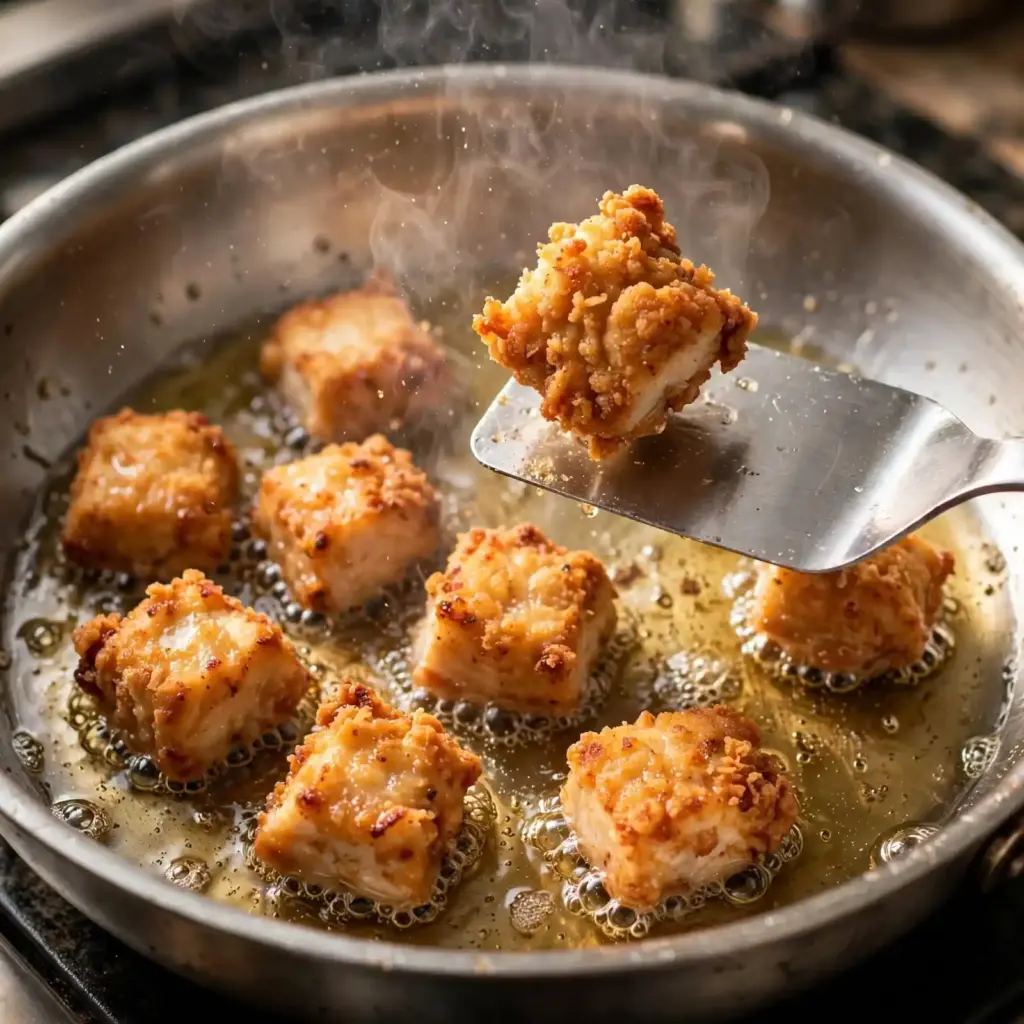
2. Fry the chicken. This is the step that gives the crust in this orange chicken recipe its crunch. Sprinkle the remaining ¼ cup cornstarch over the coated chicken and toss once more, just to give the outside one more dry layer. Heat the oil in your skillet over medium-high until it shimmers (around 350°F if you’re using a thermometer). Add the chicken in a single layer, working in two batches so the pieces don’t crowd. Fry for 3 to 4 minutes per side, until each piece is deep golden brown and reaches an internal temperature of 165°F. Transfer to your wire rack or paper towels to drain.
3. Build the sauce. The sauce is what actually makes this an orange chicken recipe rather than just fried chicken. Wipe out the skillet, leaving behind just a thin film of oil. Over medium heat, combine the orange juice, orange zest, soy sauce, brown sugar, rice vinegar, garlic, ginger, and red pepper flakes.
Bring it to a gentle simmer and let it cook for 2 to 3 minutes, until it smells fragrant and the sugar has fully dissolved. Give the cornstarch slurry a quick stir to recombine it, then pour it into the sauce while whisking. Keep whisking for about a minute, until the sauce thickens enough to coat the back of a spoon and leaves a clear trail when you drag a finger through it.
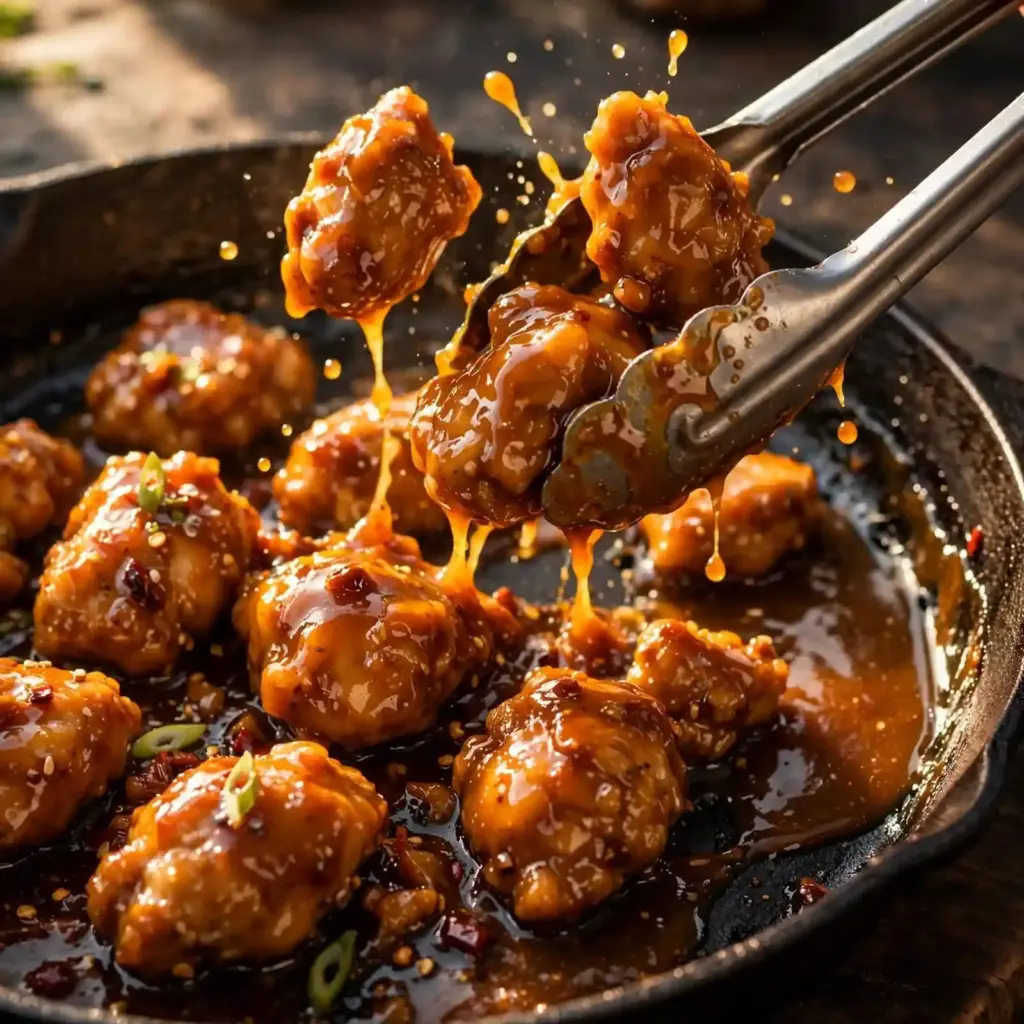
4. Combine and serve. Add the fried chicken back into the skillet and toss gently until every piece is glazed and glossy, about 1 minute over low heat. Pull it off the heat as soon as the sauce clings evenly. This is the step where most home versions of an orange chicken recipe go wrong by leaving the chicken in the sauce too long, which softens the crust. Serve immediately over rice, topped with scallions and sesame seeds.
Key Tips
- These are the details that most often separate a good orange chicken recipe from a mediocre one: cut the chicken into uniform pieces so everything fries at the same rate. Odd-sized chunks mean some pieces overcook while others stay underdone.
- Don’t skip patting the chicken dry before it goes into the egg mixture. Excess surface moisture waters down the coating and leads to steaming instead of frying.
- Keep the oil temperature steady. If it drops too low, the chicken absorbs oil and turns greasy instead of crisp; if it’s too hot, the outside browns before the inside cooks through.
Read Also: Marry Me Chicken
Troubleshooting
Even a well-tested orange chicken recipe can go sideways for a few common reasons.
Coating fell off in the pan. This usually means the chicken wasn’t given the full 10-minute rest, or the oil wasn’t hot enough when the pieces went in, so the coating stuck to the pan instead of the meat.
Sauce stayed thin. Either the slurry wasn’t fully whisked into the hot liquid, or the sauce needed another 30 to 60 seconds of simmering after the slurry went in. Cornstarch needs direct heat to activate; it won’t thicken in a lukewarm pan.
Chicken turned dry. Thighs are more forgiving here than breast meat, but even thighs dry out past 165°F internal temperature. Pull the chicken the moment it hits that mark rather than frying “a little longer to be safe.”
Variations
Swap the red pepper flakes for a spoonful of chili garlic sauce if you want more heat that comes through in the background rather than just on the surface. For a citrus change of pace, replace half the orange juice with tangerine or clementine juice, both of which are sweeter and slightly less acidic. If you want a lower-effort version of this orange chicken recipe on a weeknight, skip the fry entirely: toss the raw cubed chicken in a bit of oil and cornstarch, then roast at 425°F for 15 to 18 minutes, flipping once, before tossing in the same sauce.
Serving Suggestions
Any orange chicken recipe benefits from a simple side that won’t compete with the glaze. Steamed jasmine or short-grain rice is the classic base, since its stickiness helps catch the extra sauce. Steamed broccoli or snap peas add a fresh, slightly bitter contrast to the sweetness of the glaze. For a fuller spread, a simple cucumber salad with rice vinegar and a pinch of salt cuts through the richness nicely.
Storage, Reheating, and Freezing
Store leftovers in an airtight container in the refrigerator for up to 3 days. The coating will soften as it sits, which is normal. To reheat and bring some crispness back, spread the chicken on a baking sheet and warm it in a 375°F oven for 8 to 10 minutes rather than microwaving it, which turns the coating rubbery.
To freeze, cool the chicken completely, then freeze in a single layer on a tray before transferring to a freezer bag, where it will keep for up to 2 months. Reheat from frozen in a 375°F oven for about 15 minutes. This orange chicken recipe is best made fresh, but it does hold up reasonably well through one reheat if you’re planning ahead for a busy week.
Allergen Information
As written, this orange chicken recipe contains egg (in the coating), soy (in the soy sauce), gluten (from the soy sauce), and sesame (from the optional garnish). For an egg-free version, a tablespoon of water whisked into the cornstarch can stand in for the egg, though the crust will be slightly thinner.
For gluten-free, use tamari in place of soy sauce and double-check that your cornstarch brand is processed in a gluten-free facility. For a sesame allergy, simply skip the sesame seed garnish. These substitutions change the recipe but don’t guarantee it will be free of any allergen; always check your specific product labels and consult a professional if you or someone you’re cooking for has a food allergy.
Read Also: Ground Chicken Recipes
Frequently Asked Questions
Can I make this ahead of time?
You can fry the chicken and make the sauce separately up to a day ahead, storing each in the fridge, then reheat the chicken in the oven and warm the sauce on the stove before tossing them together. Combining them too far ahead of serving softens the coating, so this orange chicken recipe is really best assembled right before you eat.
Why did my chicken turn out soggy instead of crispy?
The most common cause is overcrowding the pan, which drops the oil temperature and causes the chicken to steam rather than fry. Work in smaller batches and give the oil a minute to come back up to temperature between rounds.
Can I use chicken breast instead of thighs?
Yes, cut into similar-sized cubes. Breast meat cooks a bit faster and dries out more easily, so start checking for that 165°F mark a minute or two earlier than you would with thighs.
Is this recipe gluten-free?
Not as written, since regular soy sauce contains wheat. Swapping in tamari, which is typically gluten-free, along with a gluten-free cornstarch brand, makes this orange chicken recipe suitable for a gluten-free diet, though you should still check your specific labels.
Can I bake instead of fry?
Yes. Toss the coated chicken with a little oil and roast at 425°F for 15 to 18 minutes, flipping halfway, until it’s golden and reaches 165°F internally, then toss with the sauce as directed. The crust will be lighter than the fried version but still holds the glaze well.
Conclusion
What makes this orange chicken recipe worth keeping in regular rotation is how much control you have over it, from how much heat goes into the sauce to how deeply golden you let the chicken get before it hits the glaze. It comes together faster than most delivery orders, uses ingredients you can actually pronounce, and reheats well enough to make two dinners out of one effort. Once you’ve made your own sauce from real orange juice and ze
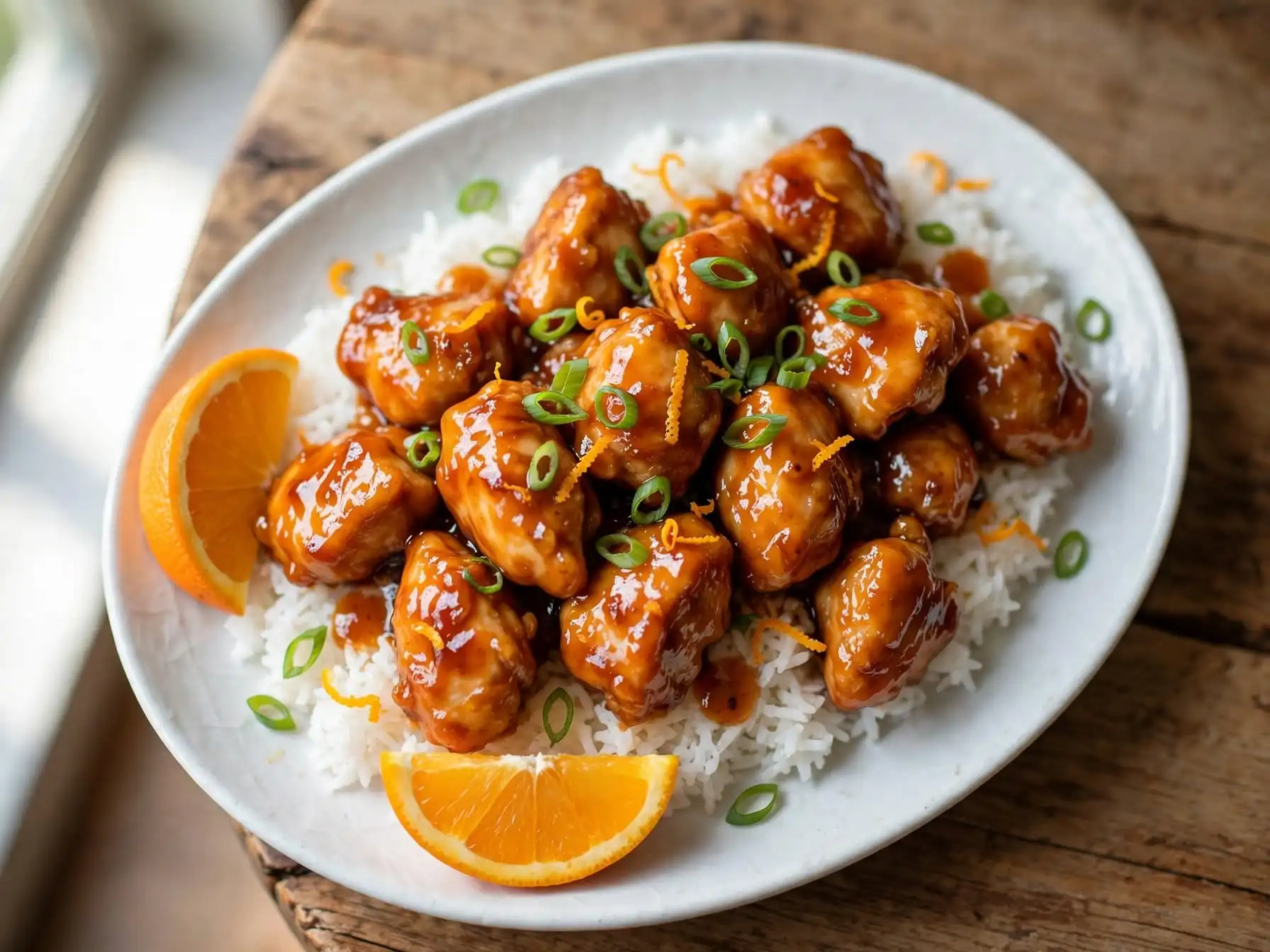
Foolproof Orange Chicken
Ingredients
Method
- Toss chicken with egg, salt, and pepper, then ¼ cup cornstarch. Rest 10 minutes.
- Toss with remaining ¼ cup cornstarch. Fry in hot oil, 3-4 minutes per side, until golden and 165°F internally. Drain.
- Simmer orange juice, zest, soy sauce, brown sugar, vinegar, garlic, ginger, and pepper flakes 2-3 minutes. Whisk in slurry; cook 1 minute until thickened.
- Toss fried chicken in sauce until glazed. Serve over rice with scallions and sesame seeds.