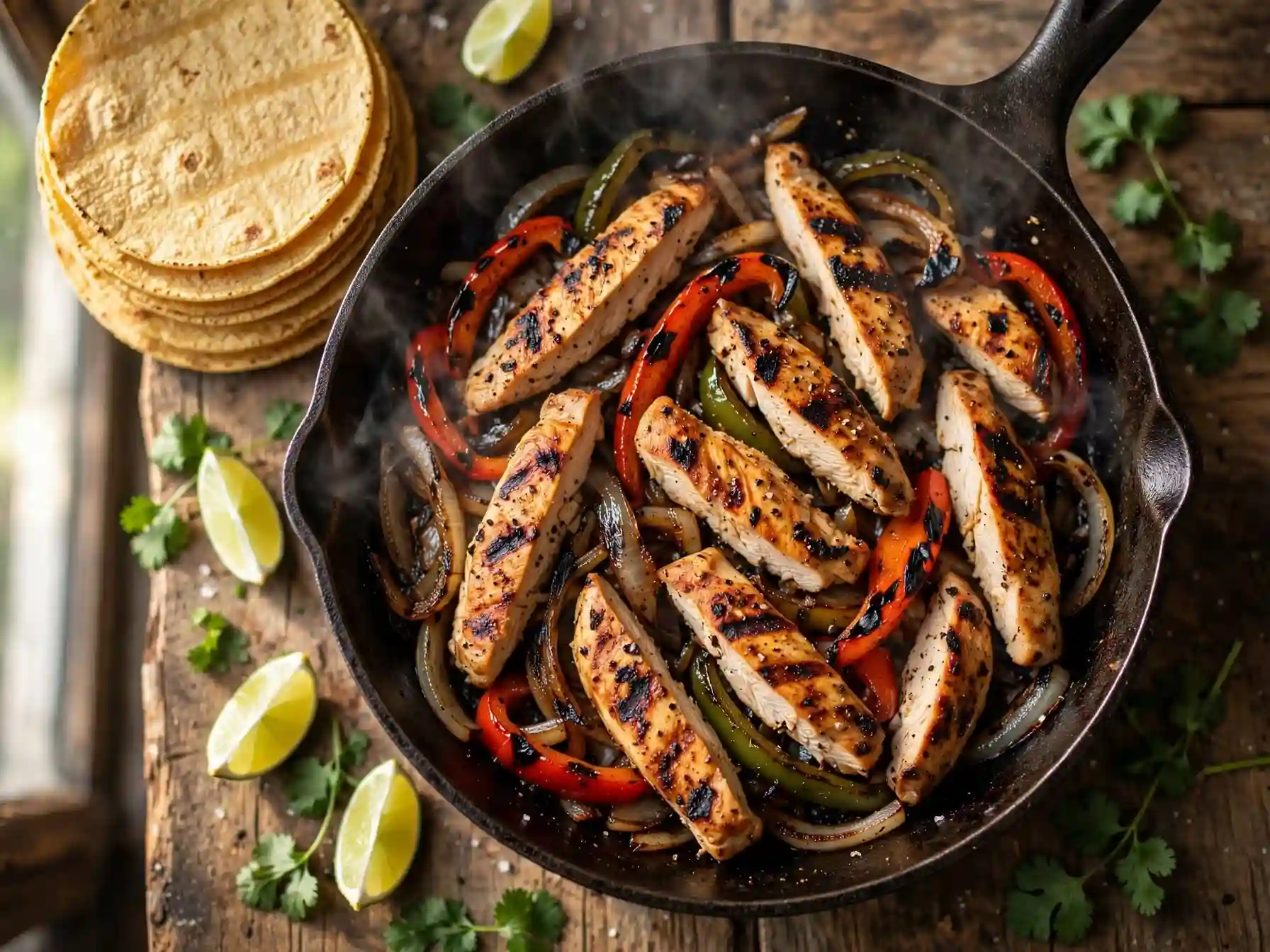
25-Minute Chicken Fajitas (Easy Skillet Recipe)
If you want chicken fajitas on the table in under 30 minutes without a trip to a restaurant, this is the version to make. Thin strips of chicken breast get a quick, punchy marinade, then hit a screaming-hot skillet alongside bell peppers and onion until everything picks up real char. No fajita seasoning packet required, and no soggy peppers either, which is the thing that ruins most homemade versions.
The marinade here is doing two jobs at once. The lime juice loosens up the surface of the chicken just enough for the spices to cling instead of sliding off in the pan, and it adds a sharp brightness that a dry spice rub alone can’t. Fifteen minutes is genuinely enough time for this to work, since the chicken is sliced thin before it goes into the bowl. You don’t need a fajita seasoning packet, a bottled marinade, or anything you don’t already have in a basic spice drawer.
Why You’ll Love This Chicken Fajitas Recipe
- Real char, not steamed peppers. Cooking the chicken and vegetables in batches, instead of dumping everything into the pan at once, is the single biggest reason these chicken fajitas taste like the ones from a Tex-Mex restaurant instead of a stir-fry.
- One skillet, 25 minutes. From marinating to plating, you’re looking at about 25 active minutes, which makes this a realistic Tuesday-night dinner rather than a weekend project.
- Built for toppings. The chicken and vegetables are seasoned enough to eat straight from the pan, but they’re also a blank canvas for whatever salsa, guacamole, or cheese you already have in the fridge.
Chicken Fajitas Ingredients
Here’s what goes into this chicken fajitas recipe and why each piece matters.
- 1.5 lbs boneless, skinless chicken breasts, sliced into thin strips — chicken thighs work too and stay a little juicier if you tend to overcook chicken breast.
- 2 tablespoons lime juice — fresh is worth it here; it tenderizes the chicken slightly and adds brightness that bottled juice doesn’t quite match.
- 3 tablespoons olive oil, divided — one tablespoon goes into the marinade, the rest is for searing.
- 3 cloves garlic, minced
- 2 teaspoons chili powder
- 1 teaspoon ground cumin
- 1 teaspoon smoked paprika
- 1/2 teaspoon dried oregano
- 1/2 teaspoon salt, plus more to taste
- 1/4 teaspoon black pepper
- 1 red bell pepper, sliced into strips
- 1 green bell pepper, sliced into strips
- 1 yellow onion, sliced into half-moons
- 8 small flour or corn tortillas, warmed — corn tortillas keep this gluten-free; check the label, since some brands add wheat flour as a filler.
- Optional toppings: sour cream, shredded cheese, guacamole, salsa, fresh cilantro, lime wedges
Allergens present as written: dairy (if using sour cream or cheese as toppings) and gluten/wheat (if using flour tortillas). For a dairy-free version, skip the sour cream and cheese or use a plant-based substitute. For gluten-free, use corn tortillas and confirm the brand doesn’t include wheat-based additives. These substitutions change the recipe but don’t guarantee an allergen-free result; check your own product labels and consult a doctor or dietitian if you’re cooking for someone with a diagnosed allergy.
Read Also: Chicken Fried Rice
Recipe Timing
Servings: 4 | Difficulty: Easy | Cuisine/Course: Tex-Mex, Main Dish Prep Time: 15 min | Cook Time: 10 min | Total Time: 25 min
The 15-minute prep window includes a short marinade. You can stretch the marinade to a full hour or even overnight in the fridge if you’re prepping ahead, but 15 minutes is genuinely enough time for the lime juice and spices to season the chicken all the way through since it’s sliced thin.
Equipment
A large cast iron skillet or heavy stainless pan makes a real difference for chicken fajitas, since it holds heat well enough to actually char the vegetables instead of steaming them. A nonstick pan will work in a pinch, but you won’t get the same browning, since most nonstick coatings are rated for lower heat and the manufacturer instructions usually tell you not to run them on high. An instant-read thermometer is worth having on hand too, mostly so you’re not guessing at doneness by cutting into every piece.
Instructions
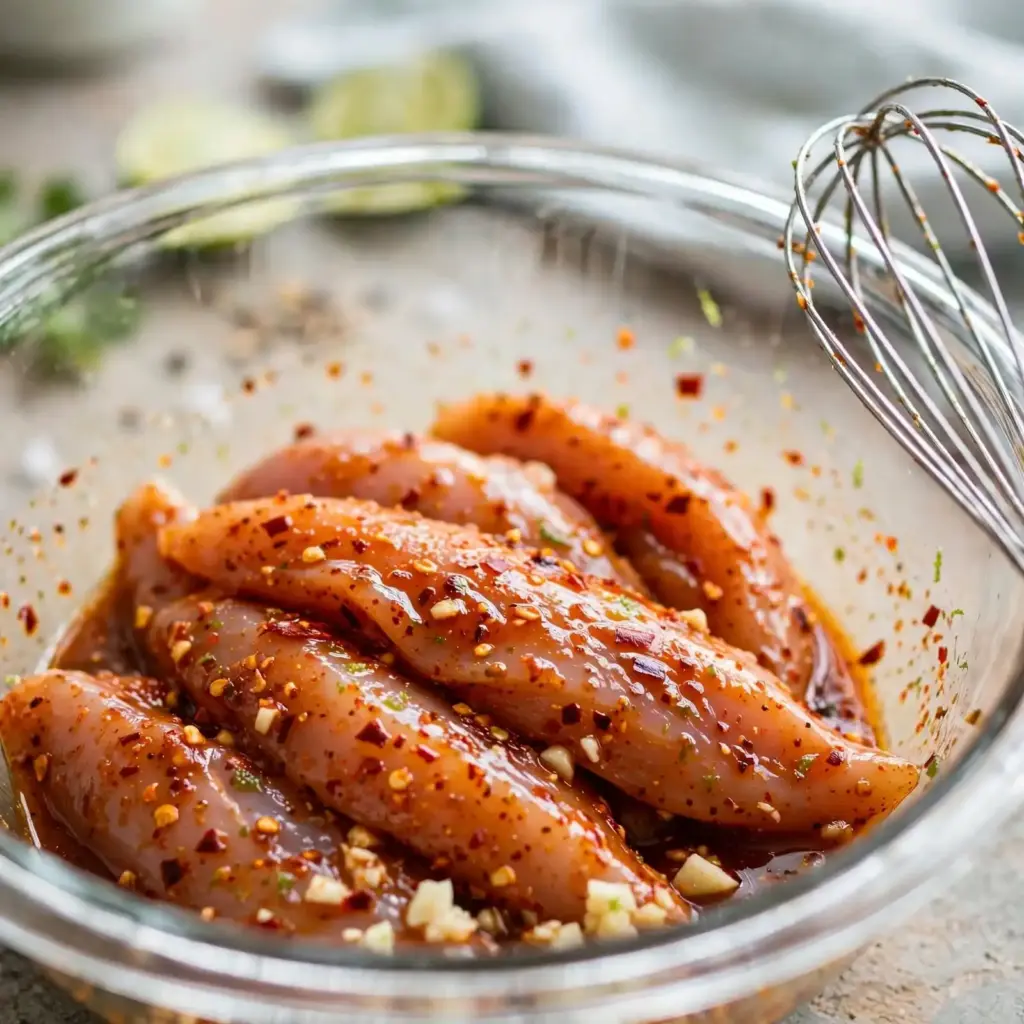
1. Marinate the chicken. In a medium bowl, whisk together the lime juice, 1 tablespoon of olive oil, garlic, chili powder, cumin, smoked paprika, oregano, salt, and pepper. Add the sliced chicken and toss to coat. Let it sit at room temperature for 15 minutes, or refrigerate for up to a few hours if you’re getting ahead on dinner.
Food safety note: keep raw chicken refrigerated until you’re ready to marinate it, and wash your hands, the bowl, and any utensils that touched raw chicken with hot soapy water before they touch anything else.
2. Sear the chicken. Heat 1 tablespoon of olive oil in a large skillet over high heat until it shimmers. Add the chicken in a single layer, working in two batches if needed so the pieces don’t crowd each other. Cook for 3 to 4 minutes per side, until the internal temperature reads 165°F on an instant-read thermometer and the outside has visible brown edges. Transfer the chicken to a plate and tent loosely with foil.
Why this works: crowding the pan drops the surface temperature fast, which is why crowded chicken steams in its own juice instead of browning. Cooking in batches keeps the pan hot enough for a real sear.
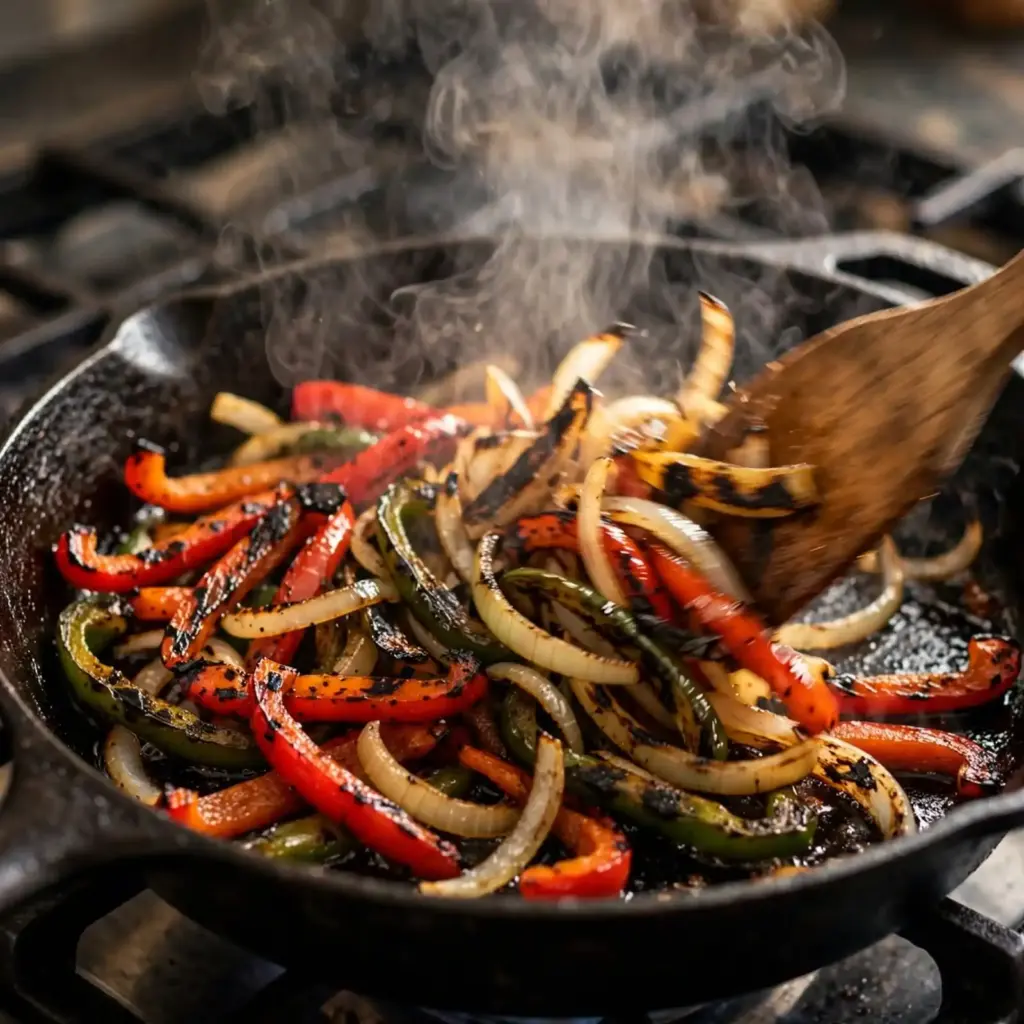
3. Char the vegetables. Add the remaining tablespoon of olive oil to the same skillet. Add the bell peppers and onion, and cook over high heat, stirring only occasionally, for 5 to 6 minutes, until the edges are blackened in spots and the onion is starting to soften but still has some bite. Season with a pinch of salt.
Why this works: stirring constantly is actually the wrong move here. Leaving the vegetables mostly undisturbed lets one side sit in direct contact with the hot pan long enough to char, the same reason a steak needs to stay put to develop a crust. Stir too often and you get evenly cooked but pale peppers instead of the blistered edges that give this dish its smoky flavor.
Read Also: Chicken Wings
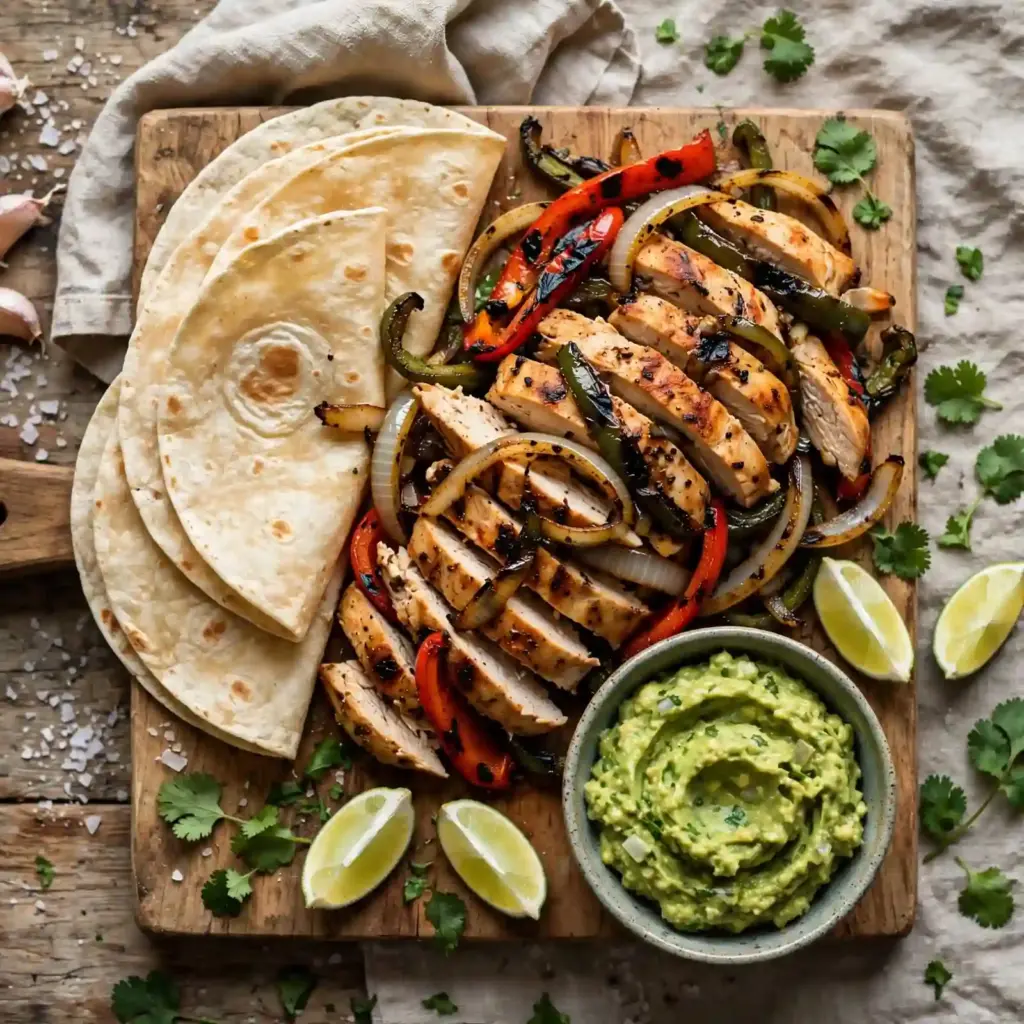
4. Combine and serve. Return the chicken to the skillet with the vegetables, along with any juices that collected on the plate. Toss everything together over medium heat for about 1 minute, just until it’s all warmed through. Serve immediately with warmed tortillas and your choice of toppings.
Key Tips
- Slice the chicken thin and even. Strips about 1/4 inch thick cook fast and evenly, which matters more for chicken fajitas than almost any other step, since uneven pieces mean some strips are dry before others hit temperature.
- Don’t skip the batch-cooking for the chicken. It adds maybe 2 extra minutes but is the difference between browned chicken and gray, boiled-looking chicken.
- Let the skillet actually get hot before adding anything. A drop of water should sizzle and evaporate almost instantly.
Troubleshooting
My peppers came out soggy instead of charred. This almost always means the pan wasn’t hot enough, or there were too many vegetables for the pan size. Use a wide skillet and don’t add the vegetables until the oil is visibly shimmering.
The chicken stuck to the pan. This usually means the pan wasn’t preheated long enough, or the chicken was flipped too soon. Chicken naturally releases from a hot, well-seasoned pan once a proper sear has formed; if it’s sticking, give it another minute before trying to flip it.
The chicken came out dry. This is almost always a matter of a couple minutes too long in the pan, since thin strips go from perfectly cooked to overdone fast. Pull the chicken as soon as it hits 165°F rather than waiting for extra browning, and let it rest under foil while you cook the vegetables; it keeps cooking slightly from residual heat during that rest.
Variations
- Steak fajitas: swap the chicken for thinly sliced flank or skirt steak, and reduce the sear time to 2 to 3 minutes per side for medium-rare.
- Shrimp fajitas: use peeled, deveined shrimp instead of chicken, and reduce the cook time to about 2 minutes per side, since shrimp cooks much faster.
- Sheet pan version: toss everything with the marinade and spread it on a sheet pan, then roast at 425°F for about 15 minutes, stirring halfway through, if you’d rather not stand at the stove.
- Vegetarian version: replace the chicken with sliced portobello mushrooms and a can of drained black beans, and cut the sear time to about 4 minutes total since mushrooms release moisture fast and don’t need long over high heat.
Serving Suggestions
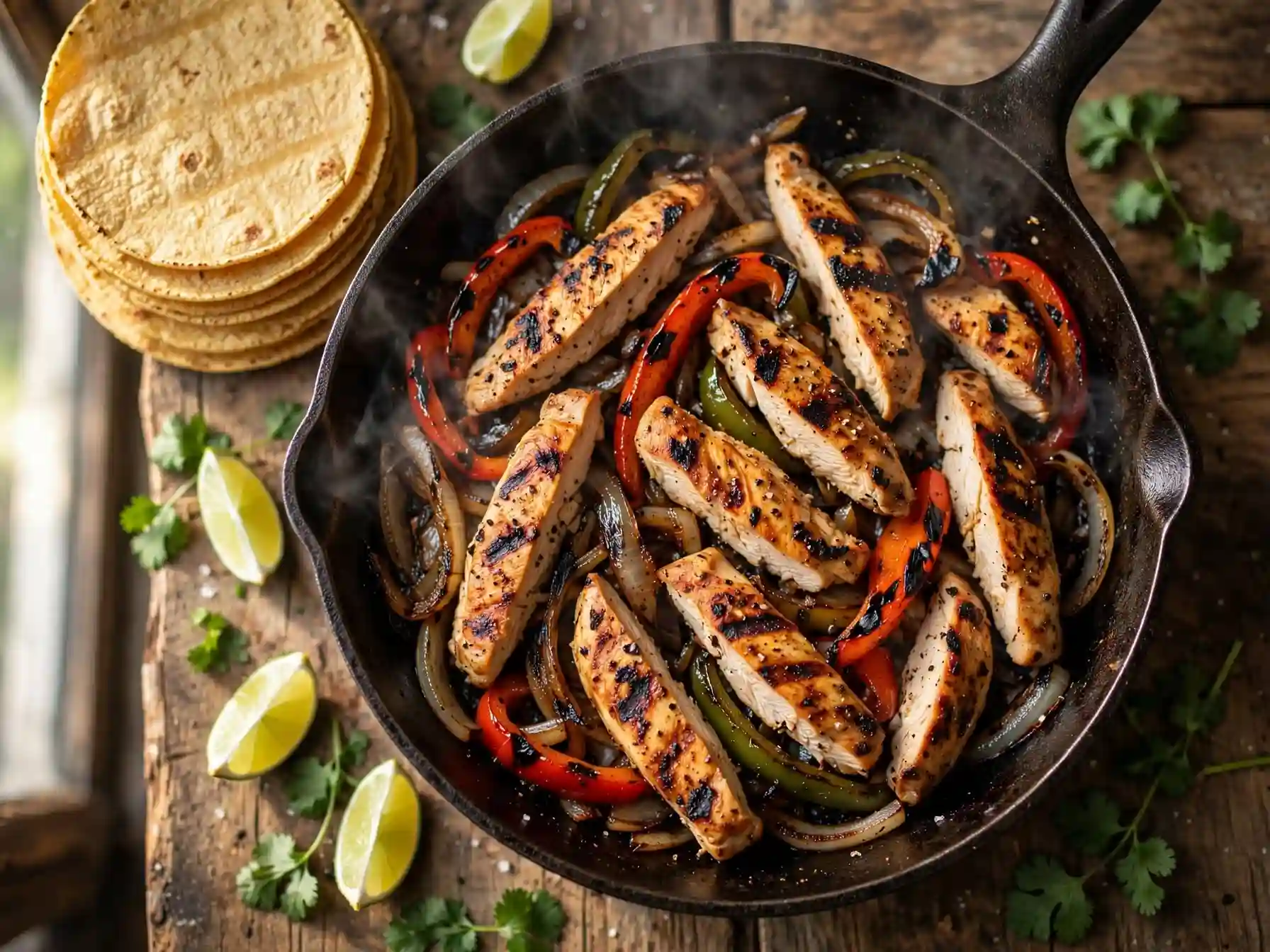
Serve these chicken fajitas straight from the skillet with warm tortillas on the side and let everyone build their own. Mexican rice, black beans, or a simple lime-dressed slaw round out the plate if you want something more filling than tortillas alone. A cold drink helps too, since the chili powder and lime give the dish a real kick without tipping into actual heat, so it works fine for a table with mixed spice tolerance.
Read Also: Butter Chicken Recipe
Storage, Reheating, and Freezing
Store leftover chicken and vegetables in an airtight container in the fridge for up to 3 days. Reheat in a skillet over medium heat for a few minutes to bring back some of the char, since the microwave will leave everything soft. To freeze, let the cooked chicken and vegetables cool completely, then freeze in a sealed bag for up to 2 months; thaw overnight in the fridge before reheating.
Nutrition
Per serving (chicken and vegetables only, not including tortillas or toppings): Calories: 290 | Protein: 34g | Carbohydrates: 8g | Fat: 14g | Fiber: 2g | Sugar: 4g | Sodium: 420mg. These numbers are an estimate based on standard ingredient values and will vary depending on your exact brands and portion sizes.
Frequently Asked Questions
Can I make chicken fajitas ahead of time?
Yes. You can marinate the chicken up to a day in advance and store it covered in the fridge. You can also slice the peppers and onion ahead of time and keep them in a separate container, so all that’s left at dinnertime is the actual cooking.
Why does my chicken always stick to the pan?
The pan usually isn’t hot enough, or the chicken is flipped before it’s ready. Let the oil shimmer before adding the chicken, and resist moving the pieces for the first 2 to 3 minutes; a proper sear releases naturally.
What’s the best way to warm the tortillas?
Warm them one at a time in a dry skillet over medium heat for about 20 seconds per side, or wrap a stack in a damp paper towel and microwave for 30 seconds. Both methods keep them soft instead of stiff.
How do I know the chicken is fully cooked?
Use an instant-read thermometer and check for 165°F at the thickest part of a strip. If you don’t have a thermometer, cut into the thickest piece; it should be opaque all the way through with no pink.
Is there a dairy-free way to serve this?
Yes. Skip the sour cream and shredded cheese, and lean on guacamole, salsa, and extra lime instead. The chicken and vegetables themselves don’t contain dairy as written.
Conclusion
These chicken fajitas earn a spot in a weeknight rotation because they don’t ask for much: one pan, a short marinade, and a hot stove. What actually makes the difference between a good version and a forgettable one isn’t a seasoning packet, it’s giving the chicken and vegetables enough room in the pan to actually brown. Once you’ve made this version once, the batch-cooking step becomes second nature, and you’ll probably find yourself reaching for this same method the next time you want dinner on the table fast.
Chicken Fajitas
Ingredients
Method
- Whisk lime juice, 1 tablespoon olive oil, garlic, chili powder, cumin, smoked paprika, oregano, salt, and pepper. Toss with chicken and marinate 15 minutes.
- Heat 1 tablespoon olive oil in a large skillet over high heat. Sear chicken in batches, 3 to 4 minutes per side, until it reaches 165°F. Set aside.
- Add remaining olive oil to the skillet. Cook peppers and onion over high heat, 5 to 6 minutes, until charred at the edges.
- Return chicken to the skillet, toss with vegetables, and warm through for 1 minute. Serve with warmed tortillas.